|
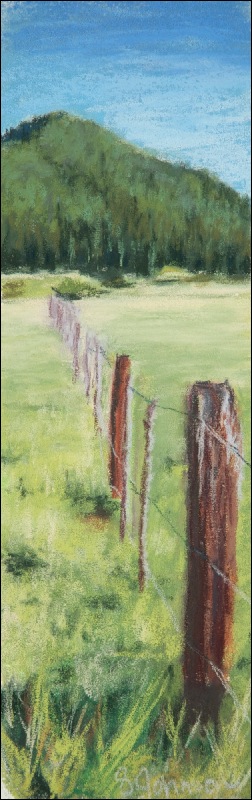
Spring Afternoon on the Piedra - plein air, 12x12 inches
pastel on black cardstock
© 2012, S.Johnson |
Sometime shortly after coming back from our Utah trip, I decided that I would aim to do 100 plein air paintings this year. Last year, I did about 50 - all pastel. A subset of this goal is to have maybe 1/3 of them be in oil, once I can sort out the logistics of bringing the oil painting operation out of the studio.
Last year on this date, the number of plein air paintings I'd done: zero. This painting is #14/17, as of today. So, I guess I'm off to a pretty good start!
Why plein air in particular? Honestly, because: a) I seriously enjoy it; b) I want to get better at it; c) plein air painting improves my studio pieces.
 |
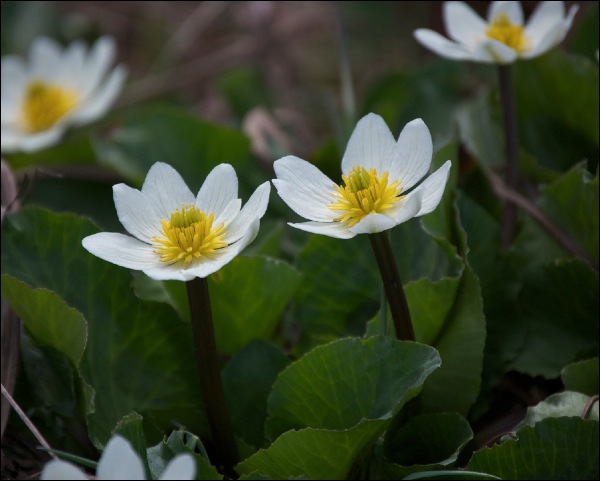
At the river's edge this past Sunday - a glorious (albeit a bit breezy at times!) day
in southwestern Colorado |
The number sounds ambitious, but really comes down to averaging 5 paintings/week for 5 months. Given that, practically speaking, I can paint about ~8.5 months of the year outdoors, this is pretty doable for me, and makes allotments for the inevitable lulls and other life events that always crop up from time to time.
It is said repeatedly by instructors and other artists that the best way to improve one's painting skills and therefore, becoming a better artist, is by simply painting more. Lots more. For the most part, I honestly think it's really that simple, and thus, my defined number goal. I've given much thought to the process of painting, and what I feel has helped to improve my work and take it to the next level. Maybe you'll agree with some of these suggestions?
- Augment with occasional workshops if you want to and can afford to (I can't), but don't rely on a workshop or an instructor to make you a successful painter: consider the French Impressionists; no one was offering workshops in the 1870's when they were around.
- Spend time regularly studying the work of the Old Masters and contemporary artists whose work you admire (free, via the internet and your local library). I collect books on art history, art technique and coffee table books on art that inspires me, and I regularly re-read them.
- Work on your drawing skills. I think this may be the weak link for many artists, and I include myself here as well...
- Find a colleague or small group to get critiques and feedback on your work. If you are a plein air painter, find someone(s) to paint with from time to time. Painting is a lonely venture for most of us, and it is unbelievably energizing to paint with other artists. Anyone who has will surely attest to this!
- Experiment with new techniques and materials, just because you never know when you might find something that works even better for you than what you are using now.
- Push yourself to paint subjects you consider challenging or are a known weakness for you (like groups of trees...see painting above). Consider setting a mini-goal to do x-number of paintings of a given subject that you'd like to get better at rendering...like trees, or ellipses, or eyes.
- Definitely keep painting things you love and that you consider your forte'!
- Don't be caught up in producing an amazing, or even a successful, sellable painting every time you sit down to paint, as this will stifle creativity and produce burn-out. In other words, focus on the process and not the outcome.
- Likewise, don't be discouraged when the inevitable crappy painting comes down the pike...because it will. Laugh at it, and analyze it to figure out where, why and how it went south, and consider it a learning tool instead of a failure.
- And don't be afraid to toss the funk and earlier efforts out. I usually keep all but the most horrific paintings around for a while, and then periodically, I go through and toss old work that maybe I sort of liked when I did it, but looking at it later, with more paintings under my belt, and a more experienced eye, and decide I just don't want it around anymore.
- Be mindful of why you are painting what you are painting. Can you effectively verbalize what it was that drew you to paint a given subject? Consider it practice for when the potential buyer asks you that question, because he or she will want to know!